|
A digital solution that links raw materials with production job sheets to improve traceability, inventory accuracy, and manufacturing efficiency.
 Digital Traceability: Connecting Raw Materials and Job Sheets in Smart Manufacturing
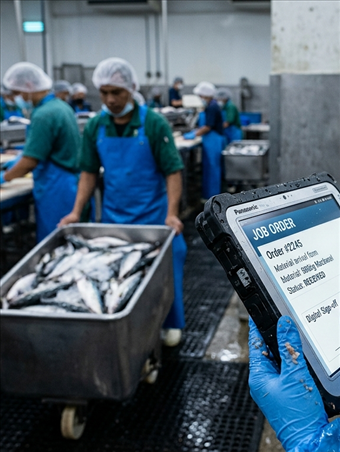
Introduction
In a modern manufacturing environment, maintaining a seamless connection between raw materials and production job sheets is essential for achieving operational efficiency, product quality, and traceability. Traditionally, manufacturers rely on manual records and paper-based job sheets to link raw materials with production orders. This approach often leads to data entry errors, misplaced documents, delays in material tracking, and limited visibility into production processes.
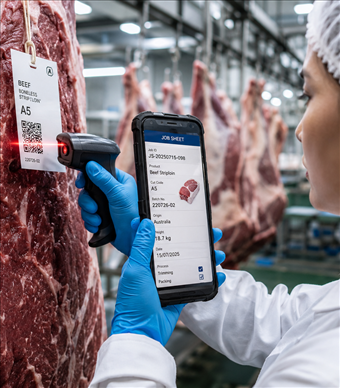
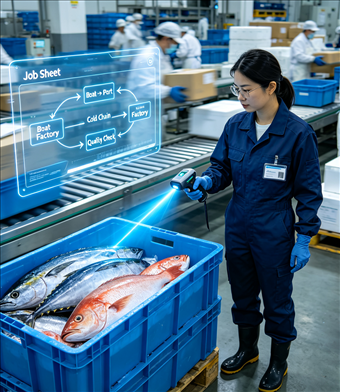
With digitalization, the relationship between raw materials and job sheets can be established and monitored in real time through integrated manufacturing systems. Each batch of raw material can be uniquely identified using technologies such as RFID, barcode, QR code, or IoT-enabled sensors and digitally linked to a specific job sheet or work order. This creates a digital thread that follows the material throughout the production lifecycle, from receiving and storage to consumption and finished goods production.
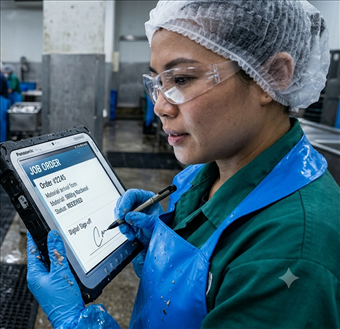
By digitizing the connection between raw materials and job sheets, factories gain enhanced traceability, accurate inventory management, automated material consumption recording, and real-time production visibility. Production operators, supervisors, and management can instantly access information regarding material usage, batch numbers, production status, and quality records. This not only improves operational efficiency but also supports compliance requirements, reduces waste, minimizes human errors, and enables data-driven decision making.
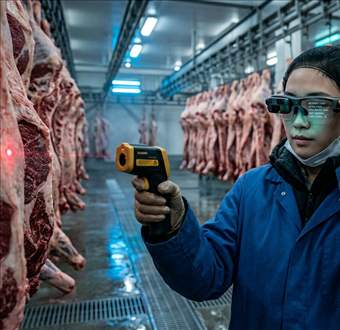
Ultimately, a digitalized raw material-to-job sheet tracking system serves as a fundamental building block for Industry 4.0 and Smart Manufacturing initiatives, providing manufacturers with greater control, transparency, and agility across their production operations.
Key Benefits
Real-time linkage between raw materials and production orders.
Full traceability from incoming material to finished product.
Reduced manual data entry and paperwork.
Improved inventory accuracy and material accountability.
Faster identification of quality issues and affected batches.
Enhanced production monitoring and reporting.
Better compliance with quality and audit requirements.
Increased productivity through automated data collection.
By:
pang
| Date:
15 Jul2026
|