 | Loading… |
How OCR Technology is Transforming Manufacturing Operations: From Manual Data Entry to Smart Factory Automation
13/Aug/2026
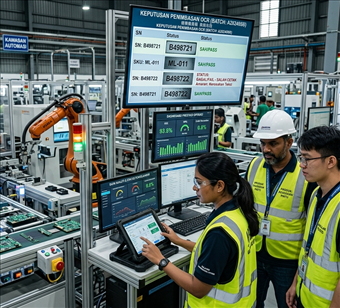
Introduction
The manufacturing industry is continually seeking ways to improve efficiency, reduce operational costs, and enhance product quality. One of the most impactful technologies driving this transformation is Optical Character Recognition (OCR).
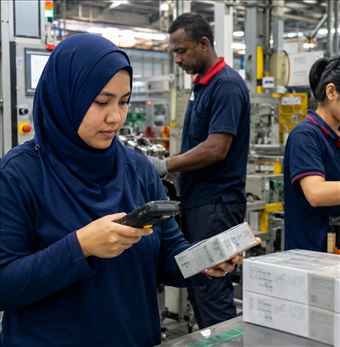
OCR enables computers to automatically read printed text, handwritten information, labels, codes, machine displays, and production documents, converting them into structured digital data. By eliminating manual data entry, manufacturers can significantly improve productivity while reducing errors.
What is OCR?
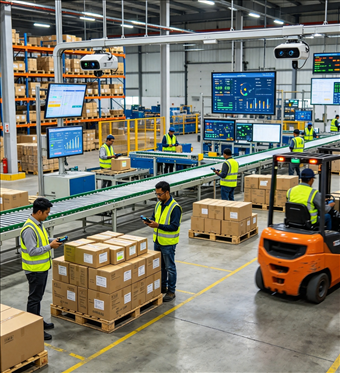
Optical Character Recognition (OCR) is an AI-powered technology that converts text from images, scanned documents, labels, displays, and packaging into machine-readable digital information.
In manufacturing environments, OCR systems are often integrated with:
Industrial cameras
Mobile devices
Conveyor systems
Production monitoring software
MES (Manufacturing Execution Systems)
ERP systems
This allows production data to be captured automatically and transmitted instantly into enterprise systems.
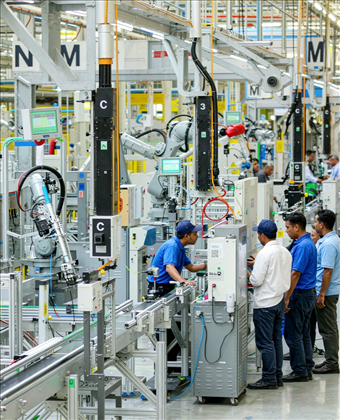
Common OCR Applications in Manufacturing
1. Product Label Verification
OCR can inspect product labels to ensure:
Correct product names
Batch numbers
Manufacturing dates
Expiry dates
Regulatory information
This helps prevent labeling errors that may result in product recalls.
2. Batch and Lot Traceability
Manufacturers can automatically capture:
Lot numbers
Serial numbers
Production IDs
This improves product traceability across the entire supply chain.
3. Work Order Digitization
Paper-based work orders can be scanned and converted into digital records.
Benefits include:
Faster data retrieval
Reduced paperwork
Better production tracking
Enhanced operational visibility
4. Machine Display Monitoring
OCR cameras can capture machine readings such as:
Temperature
Pressure
Speed
Production counts
This is particularly valuable for legacy equipment without IoT connectivity.
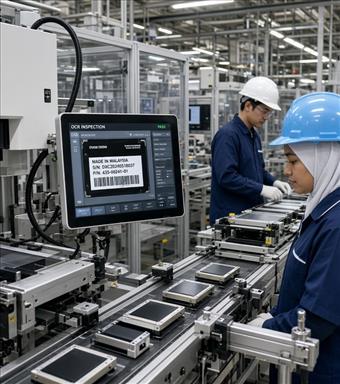
5. Quality Inspection
OCR can verify printed text against production requirements in real time and alert operators when discrepancies occur.
|