 | Loading… |
Material Requirement Planning: A Step-by-Step Guide to the Process Flow
11/May/2026
In the fast-paced world of manufacturing, efficiency isn't just a goal—it’s a survival tactic. Material Requirements Planning (MRP) is the engine that drives this efficiency, ensuring that the right materials arrive at the right time without drowning your warehouse in excess capital.

Understanding the MRP process flow is key to mastering your production floor. Here is the breakdown:
1. The Inputs: Gathering the Data
The flow begins with three critical inputs:- Master Production Schedule (MPS): What you plan to build and when.
- Bill of Materials (BOM): The "recipe" listing every part needed.
- Inventory Status: What you already have on hand.

2. The Processing: Netting and Offsetting
The MRP system "explodes" the BOM, calculating the Gross Requirements. It then performs Netting—subtracting current inventory from those requirements—to determine what actually needs to be ordered. Finally, it uses Lead Time Offsetting to work backward from the delivery date, pinpointing exactly when orders must be placed.
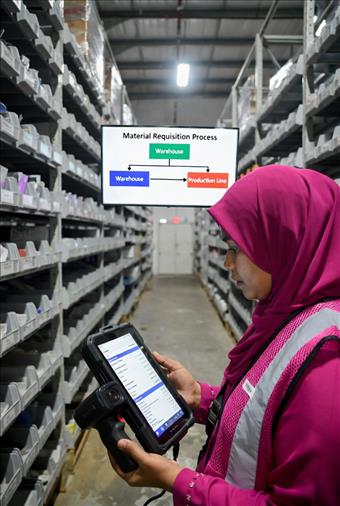
3. The Outputs: Actionable Intelligence
The result is a streamlined roadmap:- Purchase Orders: For raw materials.
- Work Orders: For internal production.
- Rescheduling Notices: To adjust for supply chain shifts.
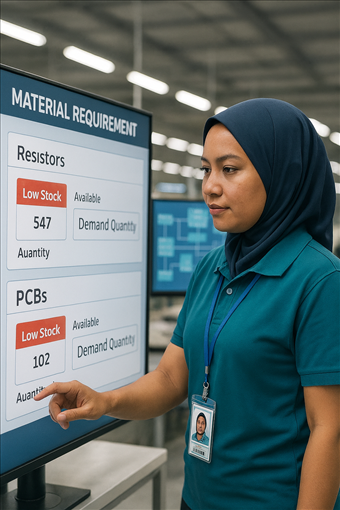
The Bottom Line: By following this structured flow, businesses can minimize stockouts, reduce carrying costs, and keep the production line moving like clockwork. Unlocking your MRP flow isn't just about software; it’s about gaining total visibility over your supply chain.
|